

PM – Cardiovascular System
PM - Cardiovascular System
0 of 50 questions completed
Questions:
- 1
- 2
- 3
- 4
- 5
- 6
- 7
- 8
- 9
- 10
- 11
- 12
- 13
- 14
- 15
- 16
- 17
- 18
- 19
- 20
- 21
- 22
- 23
- 24
- 25
- 26
- 27
- 28
- 29
- 30
- 31
- 32
- 33
- 34
- 35
- 36
- 37
- 38
- 39
- 40
- 41
- 42
- 43
- 44
- 45
- 46
- 47
- 48
- 49
- 50
Information

You have already completed the Test before. Hence you can not start it again.
Test is loading...
You must sign in or sign up to start the Test.
You have to finish following quiz, to start this Test:
Your results are here!! for" PM - Cardiovascular System "
0 of 50 questions answered correctly
Your time:
Time has elapsed
Your Final Score is : 0
You have attempted : 0
Number of Correct Questions : 0 and scored 0
Number of Incorrect Questions : 0 and Negative marks 0
| Average score |
|
| Your score |
|
-
Practice of Medicine
You have attempted: 0
Number of Correct Questions: 0 and scored 0
Number of Incorrect Questions: 0 and Negative marks 0
- 1
- 2
- 3
- 4
- 5
- 6
- 7
- 8
- 9
- 10
- 11
- 12
- 13
- 14
- 15
- 16
- 17
- 18
- 19
- 20
- 21
- 22
- 23
- 24
- 25
- 26
- 27
- 28
- 29
- 30
- 31
- 32
- 33
- 34
- 35
- 36
- 37
- 38
- 39
- 40
- 41
- 42
- 43
- 44
- 45
- 46
- 47
- 48
- 49
- 50
- Answered
- Review
-
Question 1 of 50
1. Question
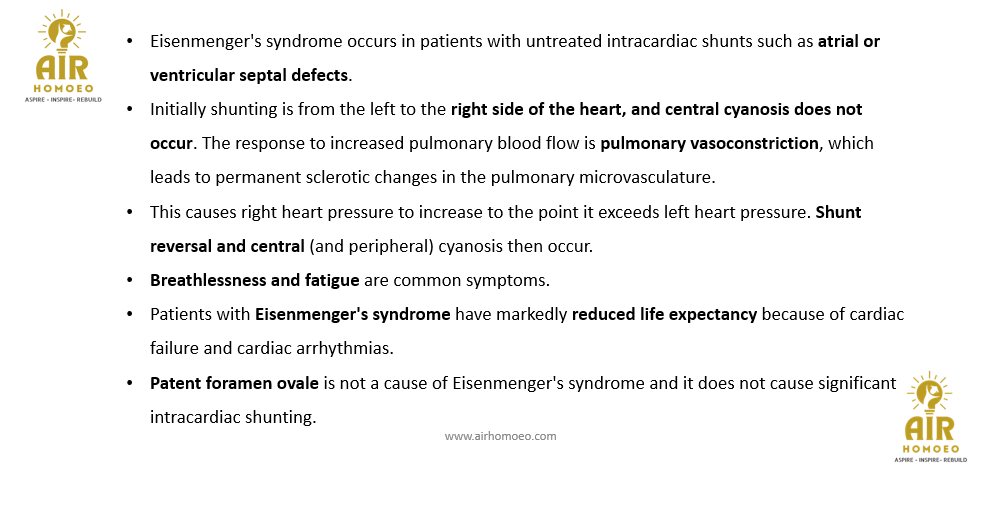
Which of the following is true of Eisenmenger’s syndrome?
A. Breathlessness and fatigue are common symptoms
B. It occurs in patients with patent foramen ovale
C. Left to right shunting occurs because of pulmonary hypertension
D. Life expectancy is markedly reduced
E. Patients are peripherally but not centrally cyanosedCorrect
 Incorrect
Unattempted
-
Question 2 of 50
2. Question
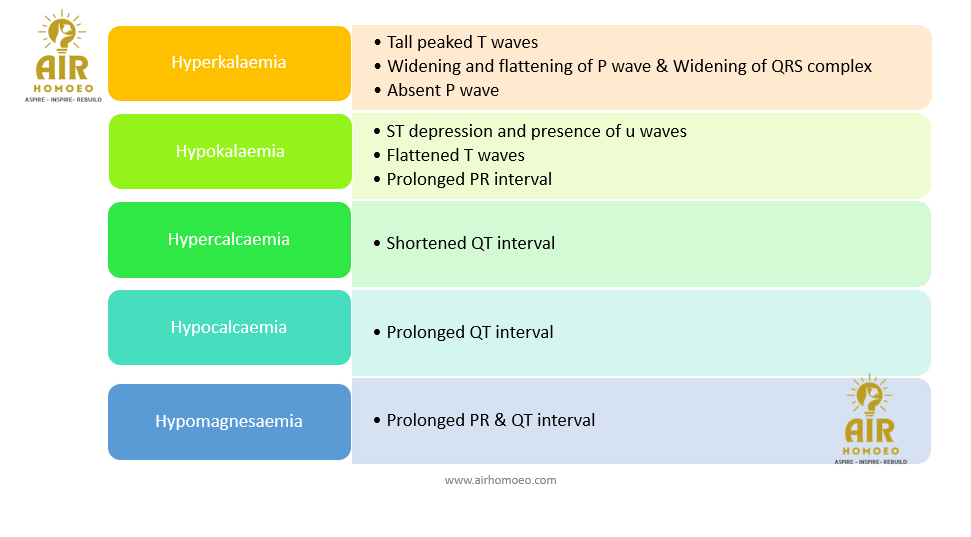
In which of these conditions can widen QRS and Tall-tented T waves be observed?
Correct
 Incorrect
Unattempted
-
Question 3 of 50
3. Question
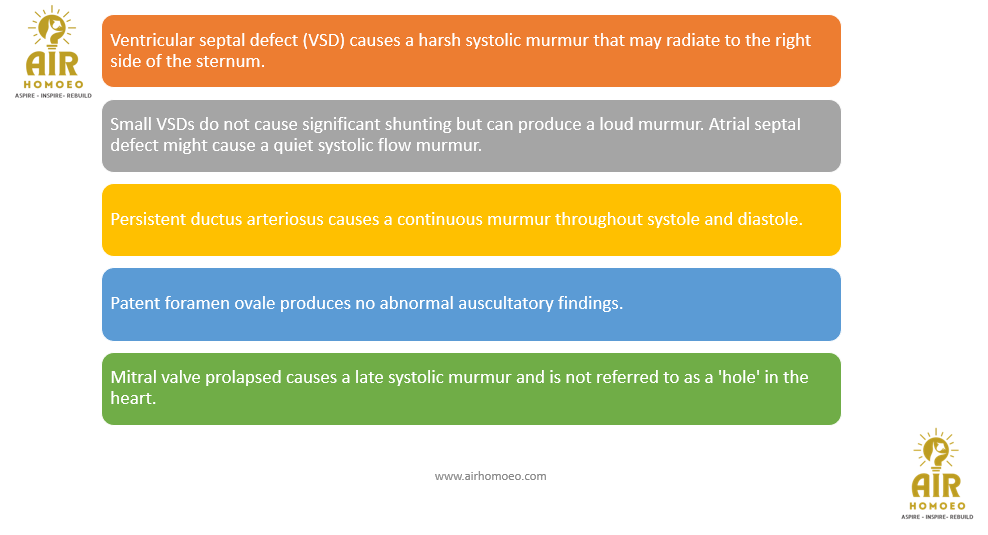
A 48 year old woman registers with a new family physician. She tells the doctor she had a small hole in her heart from birth but that it did not require any treatment. On examination, pulse is 70peats/min and regular; BP 122/76 mmHg. You detect a loud,
high-pitched systolic murmur at the left sternal border, accompanied by a thrill. Which of the following conditions would explain the history and physical findings?Correct
 Incorrect
Unattempted
-
Question 4 of 50
4. Question
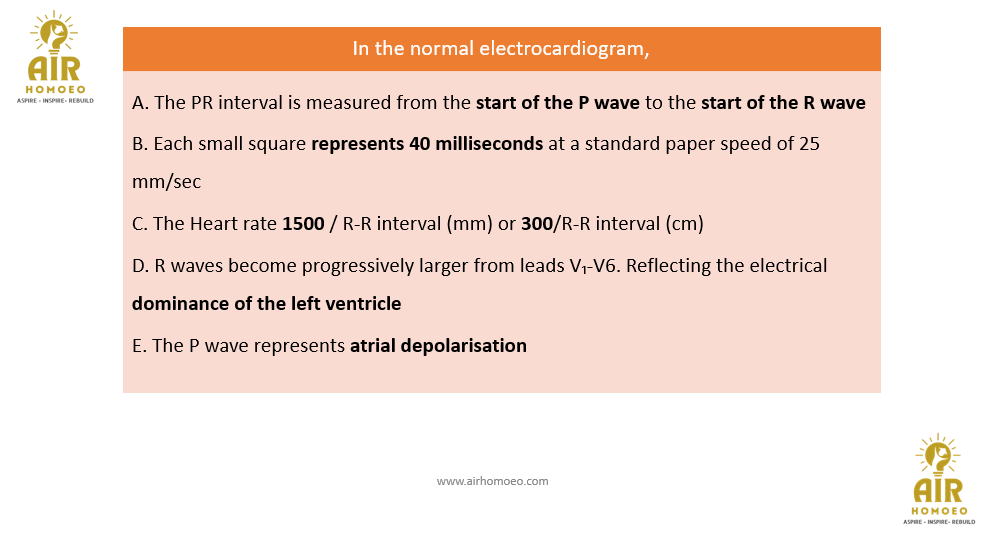
In the normal electrocardiogram, which of the following are true
A. The PR interval is measured from the end of the P wave to the beginning of the R wave
B. Each small square represents 40 milliseconds at a standard paper speed of 25 mm/sec
C. The heart rate is 75 per minute if the R-R interval measures 4 cm
D. R waves become progressively larger from leads V₁-V6
E. The P wave represents sinoatrial node depolarizationCorrect
 Incorrect
Unattempted
-
Question 5 of 50
5. Question
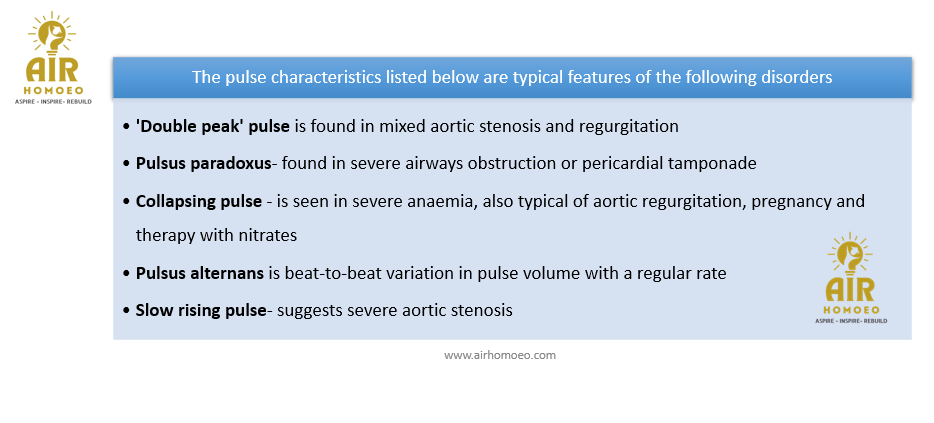
Match the following List of Pulse with their corresponding disorders.
Choose the appropriate answer from the options given below,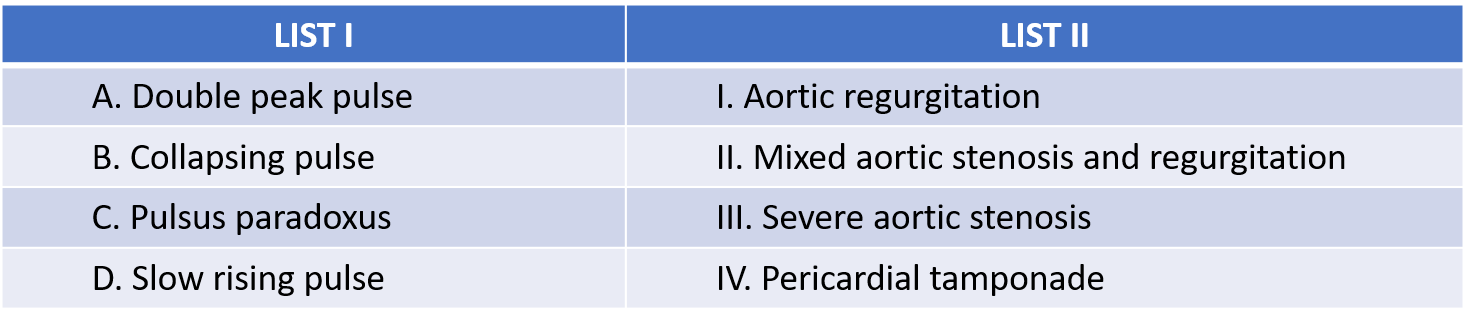
 Correct
 Incorrect
Unattempted
-
Question 6 of 50
6. Question
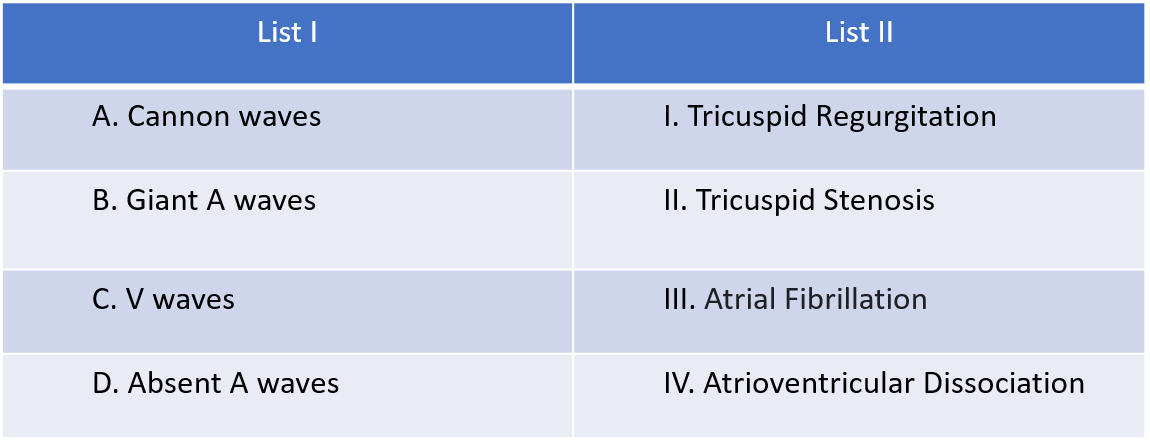
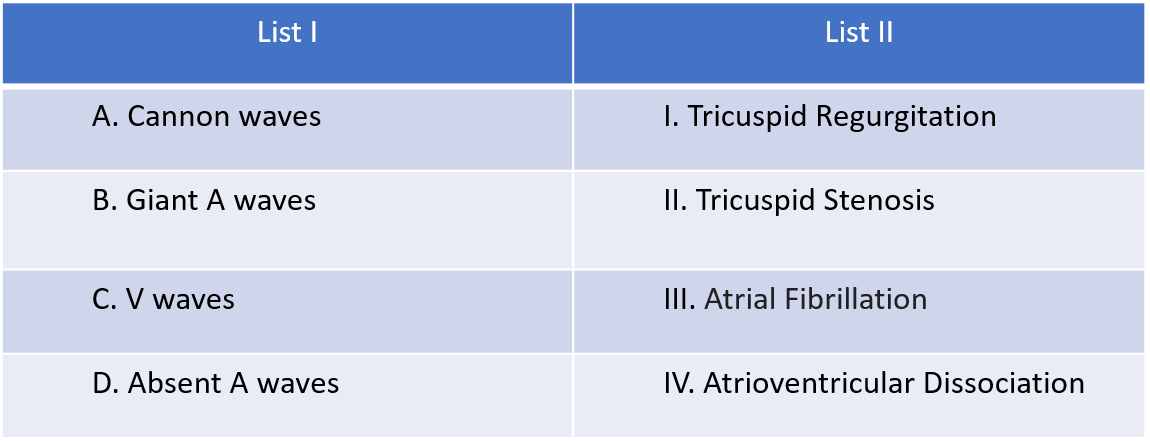
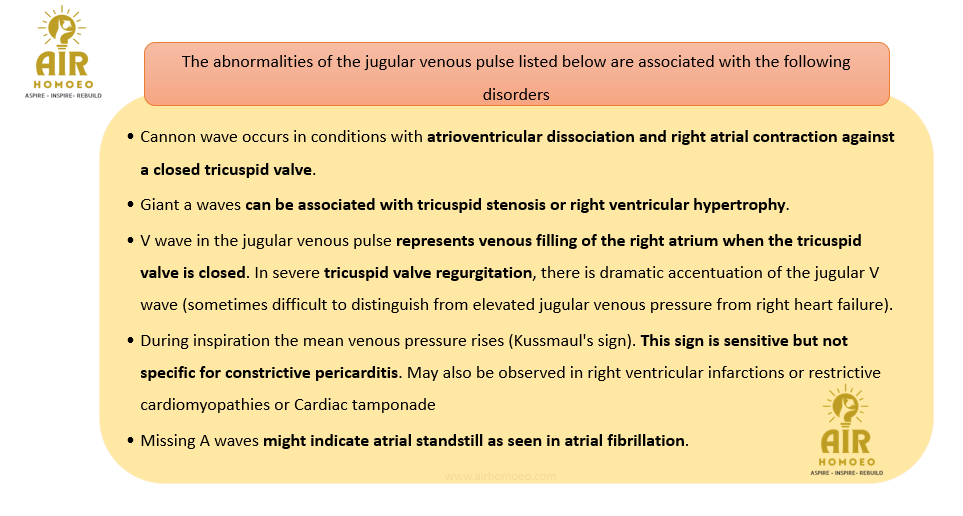
Match the following abnormalities of the jugular venous pulse listed with their disorders:
 Correct
 Incorrect
Unattempted
-
Question 7 of 50
7. Question
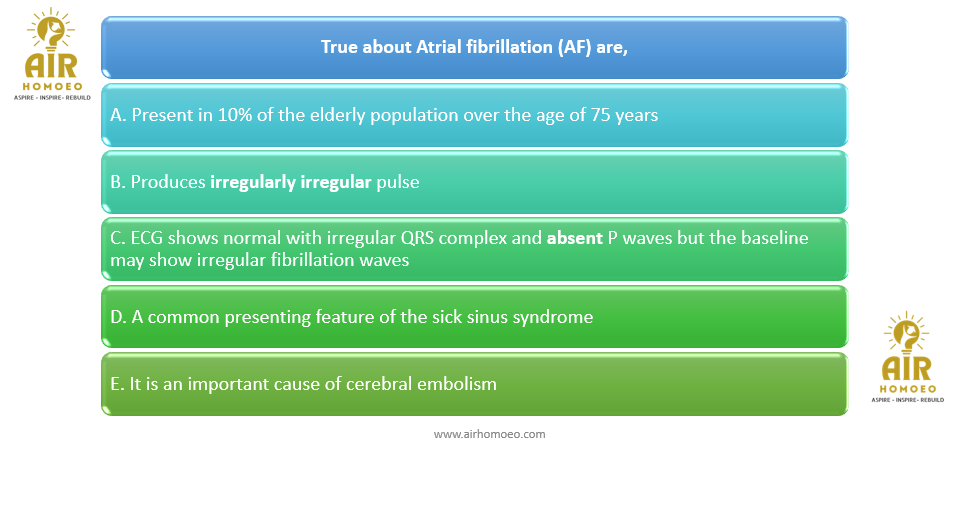
True about Atrial fibrillation (AF) are,
A. Present in 10% of the elderly population over the age of 75 years
B. Produces regularly regular pulse
C. ECG shows normal with irregular QRS complex and Inverted P waves
D. A common presenting feature of the sick sinus syndrome
E. It is an important cause of cerebral embolismCorrect
 Incorrect
Unattempted
-
Question 8 of 50
8. Question
Given below are two statements.
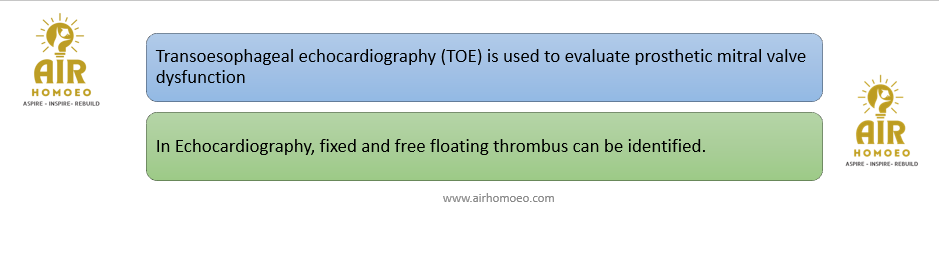
Statement I: The transoesophageal echocardiography (TOE) is used to evaluate prosthetic mitral valve dysfunction
Statement II: In echocardiography intracardiac clot cannot be distinguished from normal endocardial tissue
In the light of the above statements, choose the most appropriate answer from the options given below:Correct
 Incorrect
Unattempted
-
Question 9 of 50
9. Question
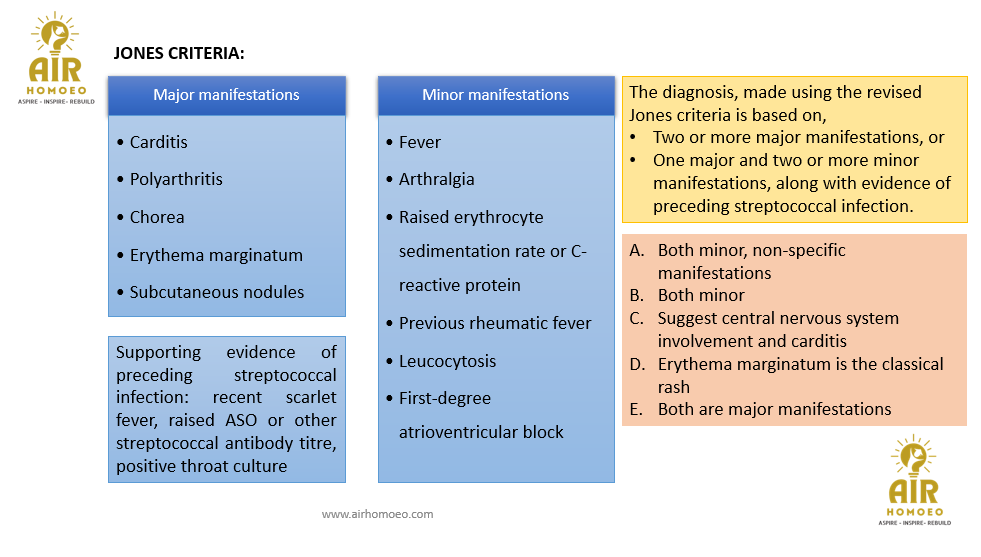
Diagnosis of rheumatic fever in a patient with an elevated ASO (antistreptolysin O) titre is confirmed by,
A. Fever with an elevated erythrocyte sedimentation rate
B. Arthralgia and a previous history of rheumatic fever
C. Chorea and a prolonged PR interval on ECG
D. Erythema nodosum and arthritis
E. Rheumatic nodules and pancarditisCorrect
 Incorrect
Unattempted
-
Question 10 of 50
10. Question
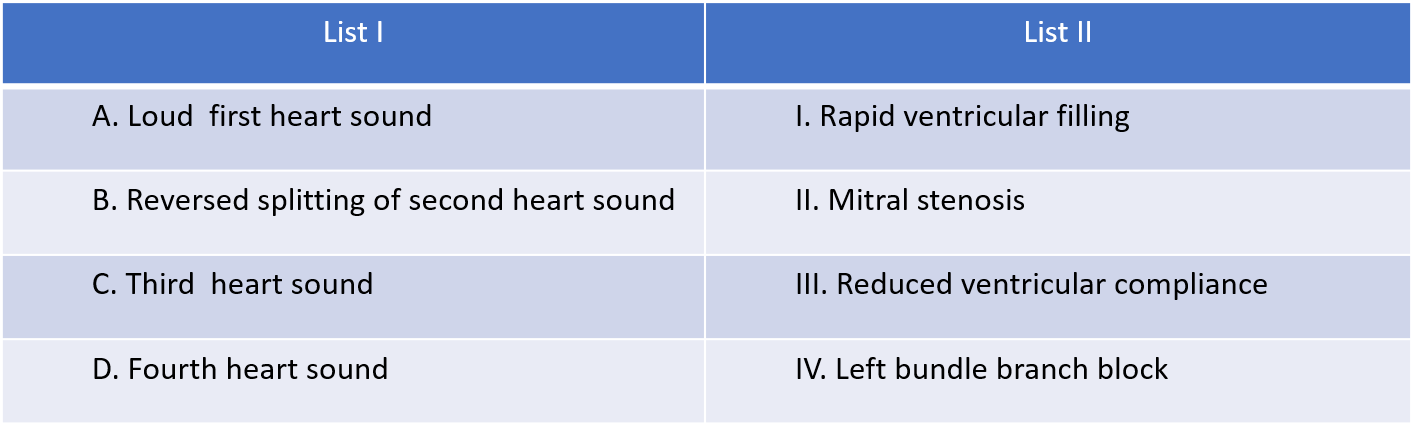
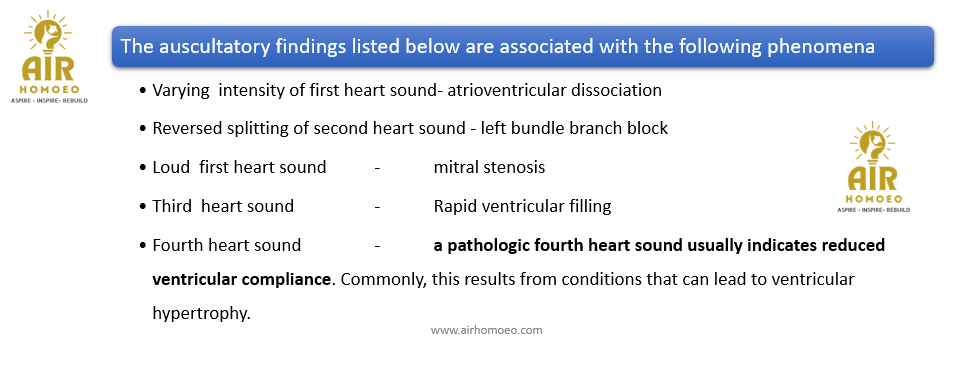
Match the following List of heart sounds with their corresponding disorders.
Choose the appropriate answer from the options given below: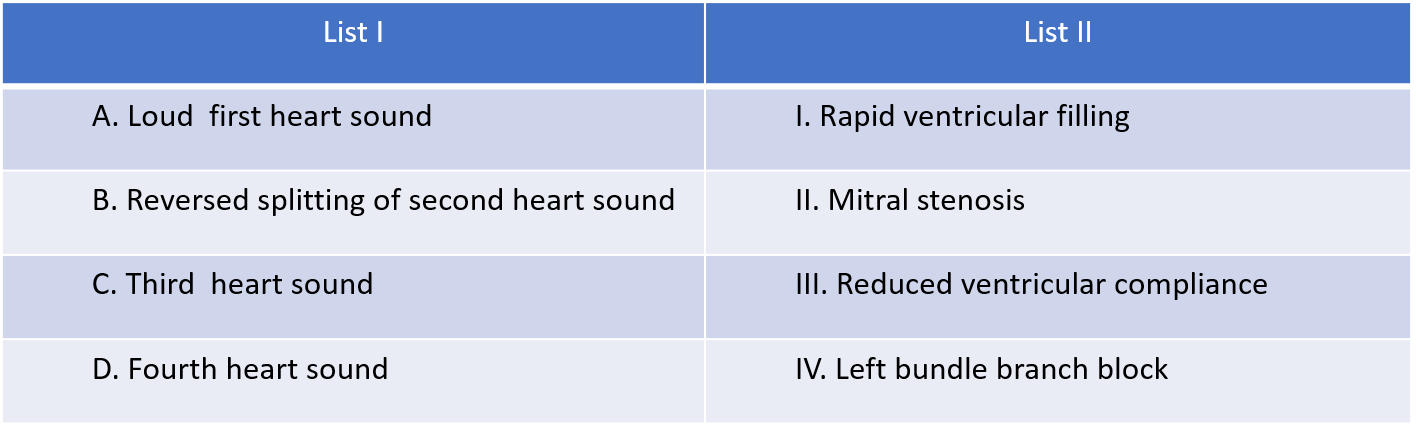
 Correct
 Incorrect
Unattempted
-
Question 11 of 50
11. Question
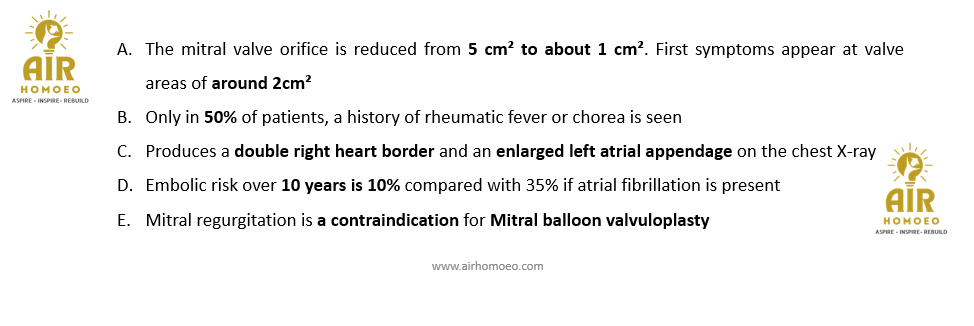
In patients with significant mitral stenosis all are true except,
A. The mitral valve orifice is reduced from 5 cm² to about 1 cm²
B. A history of rheumatic fever or chorea is elicited in over 90% of patients
C. Left atrial enlargement cannot be detected on the chest X-ray
D. The risk of systemic emboli is trivial in sinus rhythm
E. Mitral balloon valvuloplasty is not advisable if there is also significant mitral regurgitationCorrect
 Incorrect
Unattempted
-
Question 12 of 50
12. Question
Disorders associated with aortic regurgitation include all except:
Correct
 Incorrect
Unattempted
-
Question 13 of 50
13. Question
Given below are two statements.
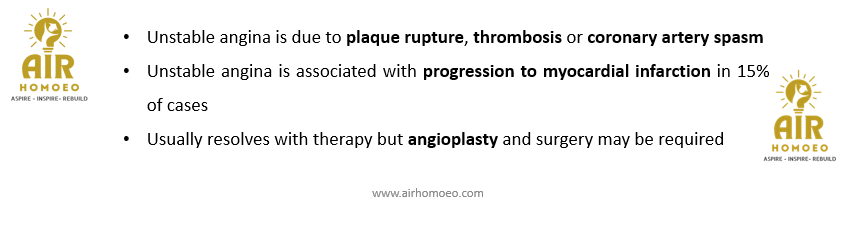
Statement I: Unstable angina is due to plaque rupture, thrombosis or coronary artery spasm Statement II: Unstable angina is associated with progression to myocardial infarction in 15% of cases
In the light of the above statements, choose the most appropriate answer from the options given below:Correct
 Incorrect
Unattempted
-
Question 14 of 50
14. Question
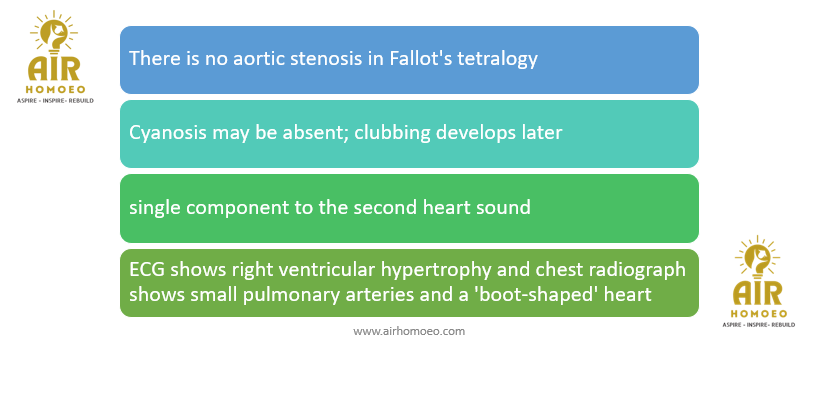
Which among the following are true regarding Fallot‘s tetralogy?
Correct
 Incorrect
Unattempted
-
Question 15 of 50
15. Question
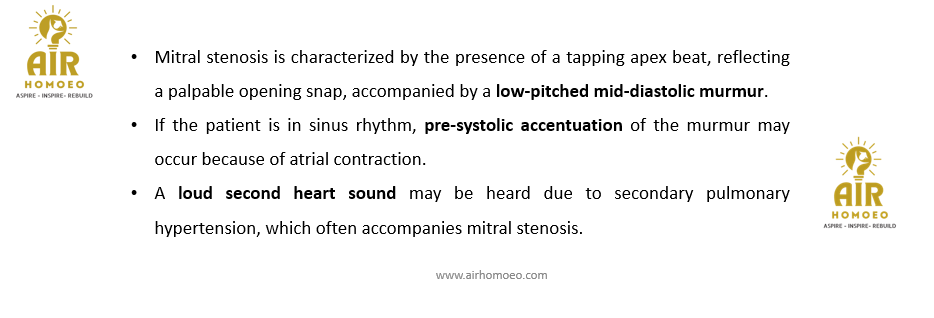
A 34 year old woman presents with symptoms of breathlessness on exertion, a malar flush and has a past history of rheumatic fever. She is in sinus rhythm and has an echocardiogram that confirms mitral stenosis. Which physical sign is she likely to have?
Correct
 Incorrect
Unattempted
-
Question 16 of 50
16. Question
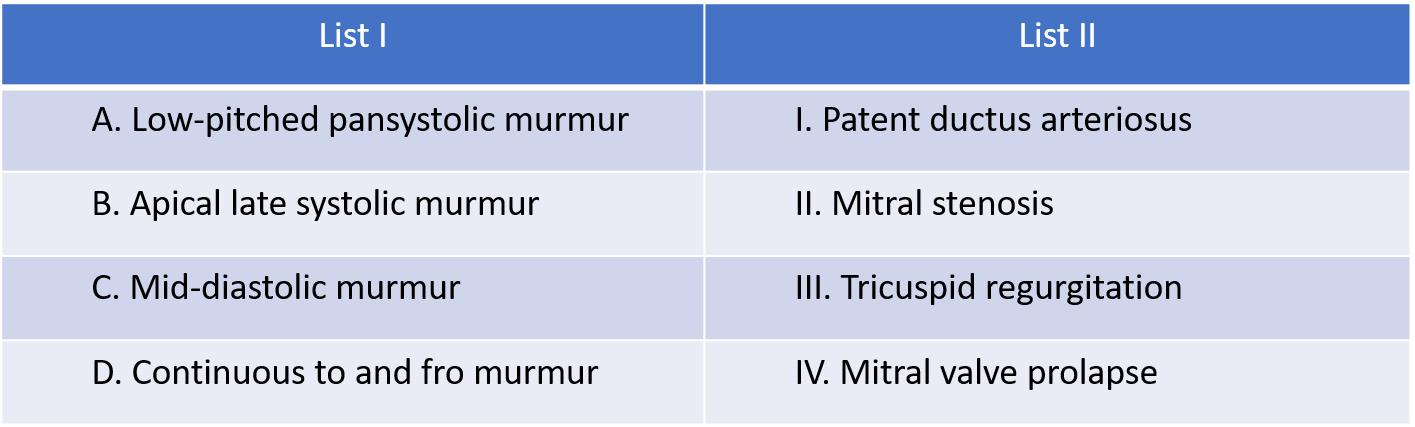
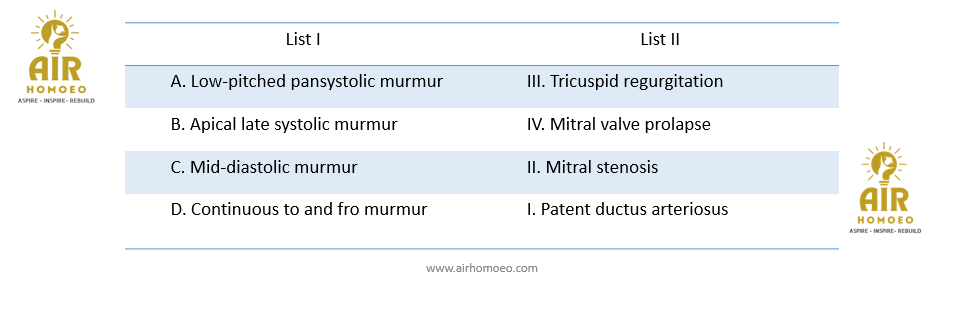
Match the following List of murmurs with their corresponding disorders.
Choose the appropriate answer from the options given below: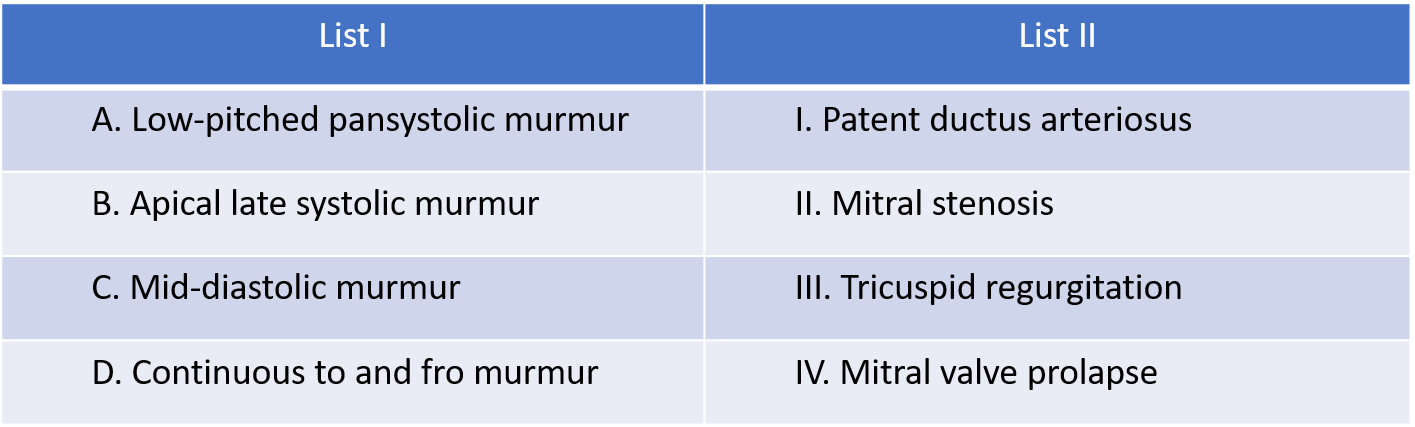
 Correct
 Incorrect
Unattempted
-
Question 17 of 50
17. Question
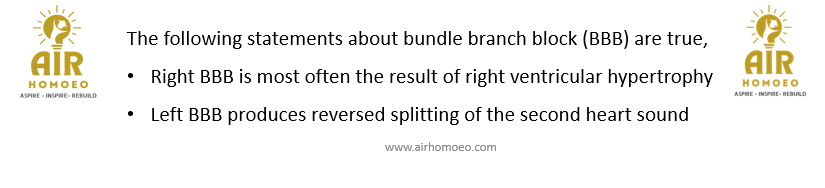
Given below are two statements:
Statement I: Right BBB is most often the result of left ventricular hypertrophy
Statement II: Left BBB produces reversed splitting of the second heart sound In the light of the above statements, choose the most appropriate answer from the options given below:Correct
 Incorrect
Unattempted
-
Question 18 of 50
18. Question
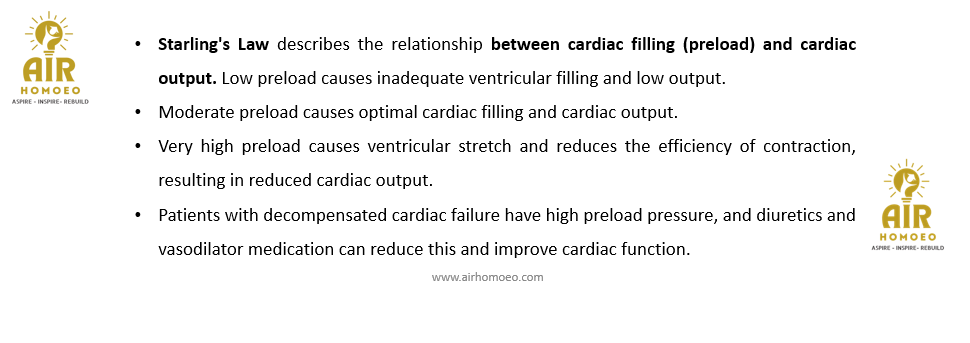
What relationship does Starling‘s Law of the heart describe?
Correct
 Incorrect
Unattempted
-
Question 19 of 50
19. Question
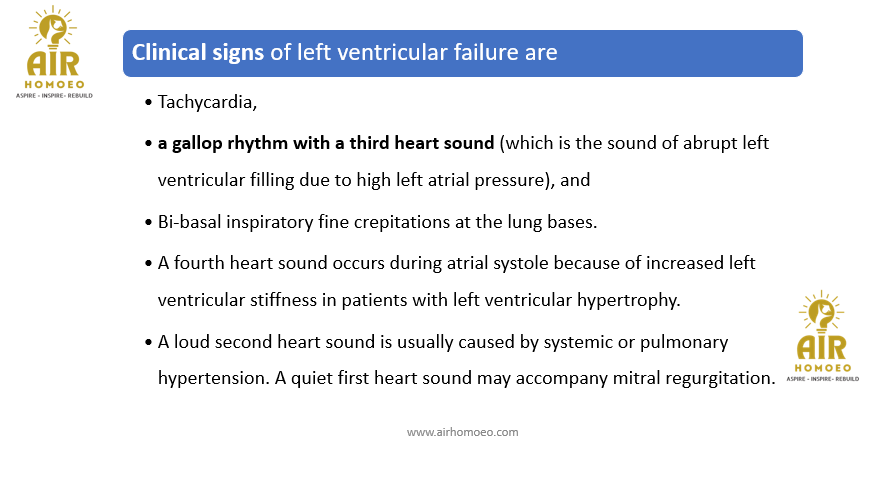
Which of the following physical signs is associated with left ventricular failure?
Correct
 Incorrect
Unattempted
-
Question 20 of 50
20. Question
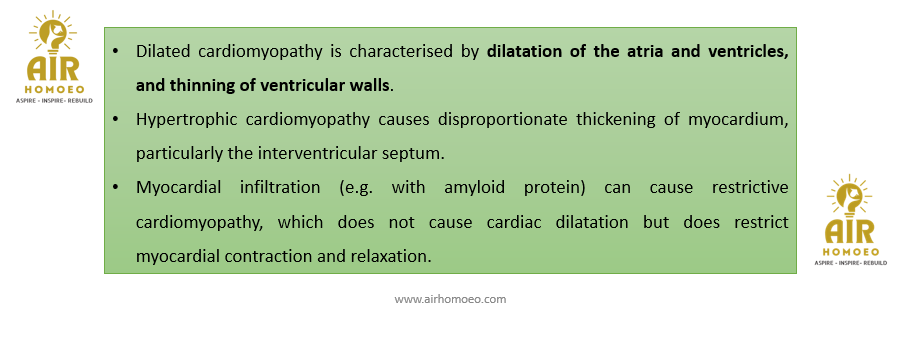
Which of the following best describes dilated cardiomyopathy?
Correct
 Incorrect
Unattempted
-
Question 21 of 50
21. Question
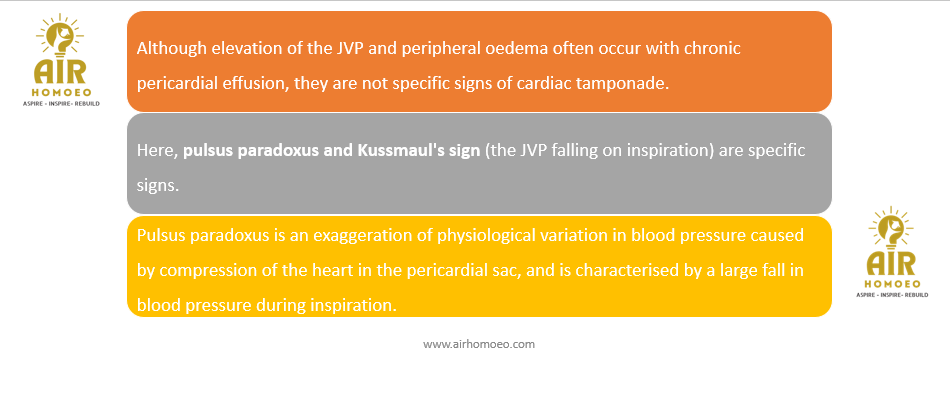
In patients with a pericardia! effusion, what is the most important clinical sign to determine whether there is cardiac tamponade?
Correct
 Incorrect
Unattempted
-
Question 22 of 50
22. Question
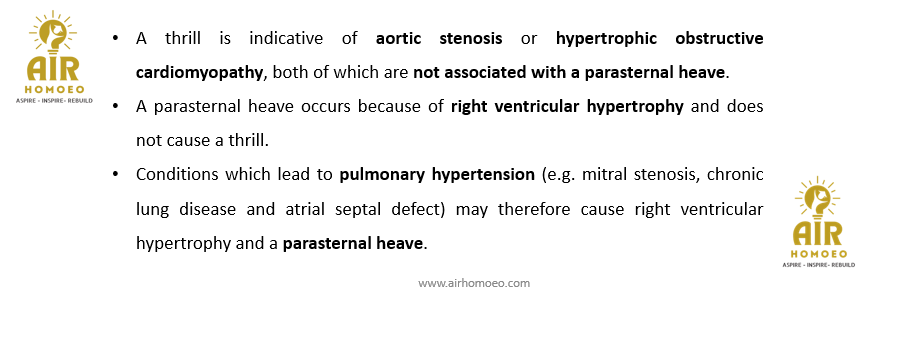
An 80 year old man presents with an incidental ejection systolic murmur. His family physician notices a parasternal thrill. What is the likely underlying reason for the thrill?
Correct
 Incorrect
Unattempted
-
Question 23 of 50
23. Question
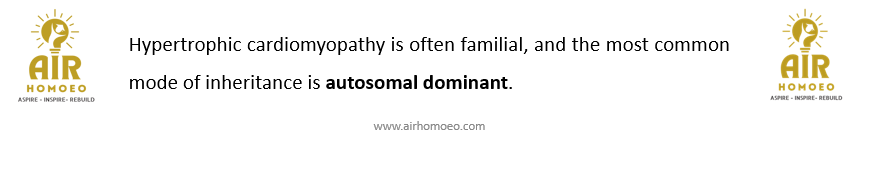
In what manner is hypertrophic cardiomyopathy
commonly inherited?Correct
 Incorrect
Unattempted
-
Question 24 of 50
24. Question
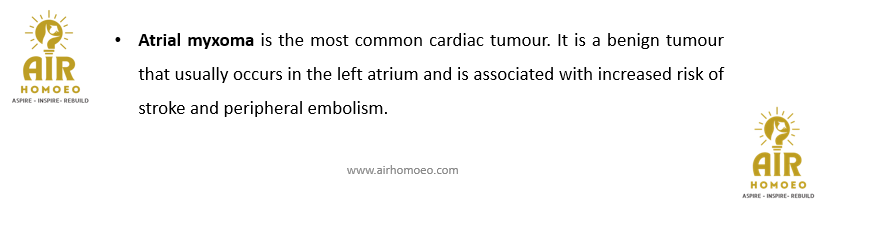
A patient presents with an incidental finding of a mass in the left atrium whilst undergoing an echocardiogram for hypertension. What is the most likely cardiac tumour in this situation?
Correct
 Incorrect
Unattempted
-
Question 25 of 50
25. Question
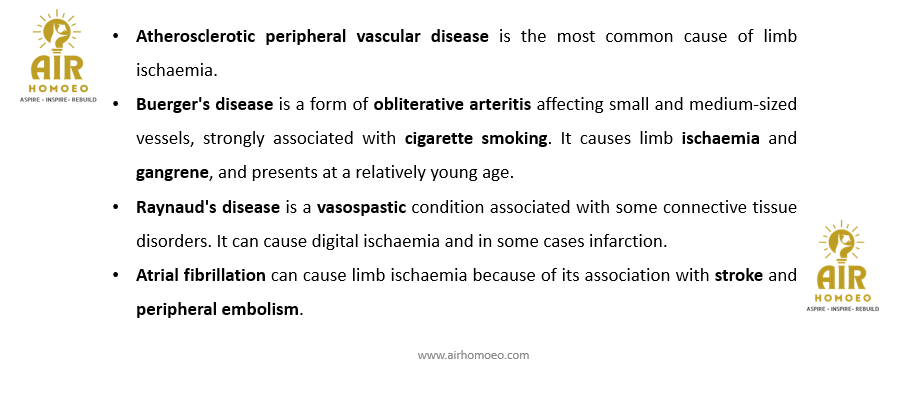
Limb ischaemia can take many forms and has varied causes. This may result in sudden acute vessel occlusion from arterial spasm or thrombosis, or more chronic processes. What is the most likely underlying cause of severe limb ischaemia in an otherwise well, thin 30 year old heavy smoker?
Correct
 Incorrect
Unattempted
-
Question 26 of 50
26. Question
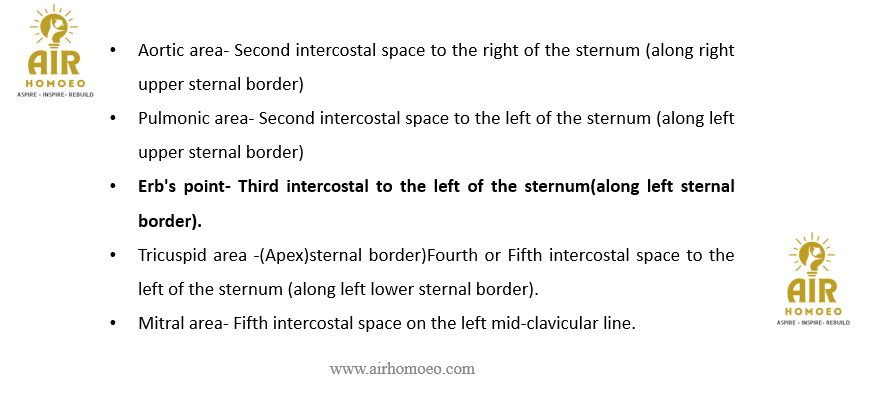
Erb‘s Point in cardiology refers to:
Correct
 Incorrect
Unattempted
-
Question 27 of 50
27. Question
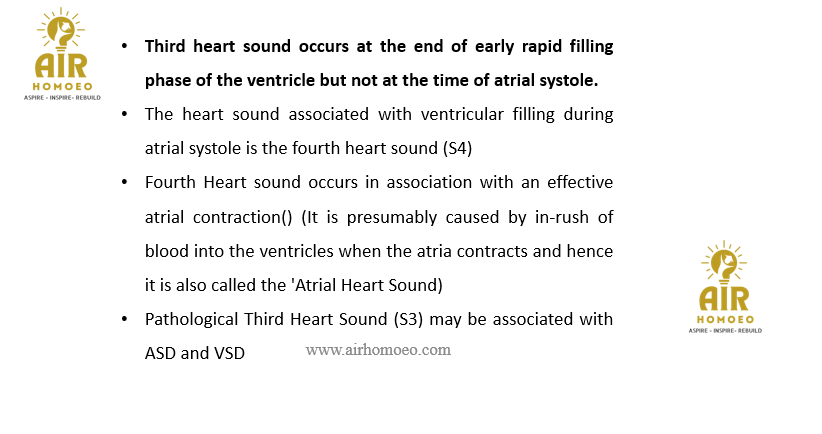
All of the following statements about third Heart sound (S3) are true, except:
Correct
 Incorrect
Unattempted
-
Question 28 of 50
28. Question
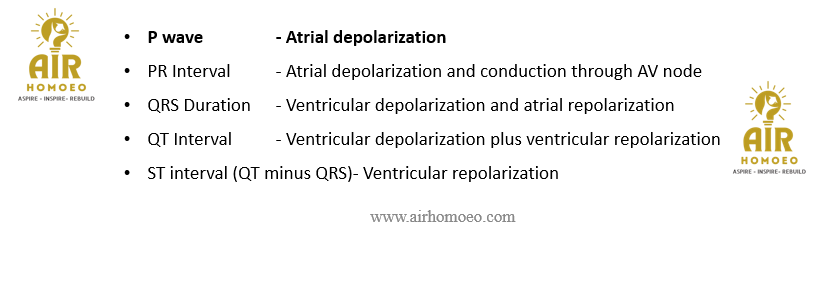
P wave is due to:
Correct
 Incorrect
Unattempted
-
Question 29 of 50
29. Question
Predisposing factors for coronary artery disease include, all Except:
Correct
 Incorrect
Unattempted
-
Question 30 of 50
30. Question
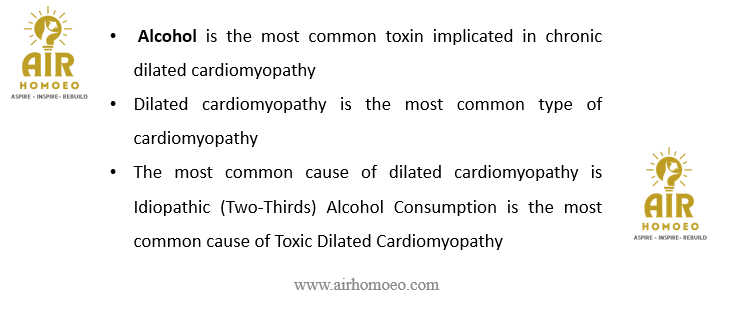
The most common toxin causing Dilated Cardiomyopathy is:
Correct
 Incorrect
Unattempted
-
Question 31 of 50
31. Question
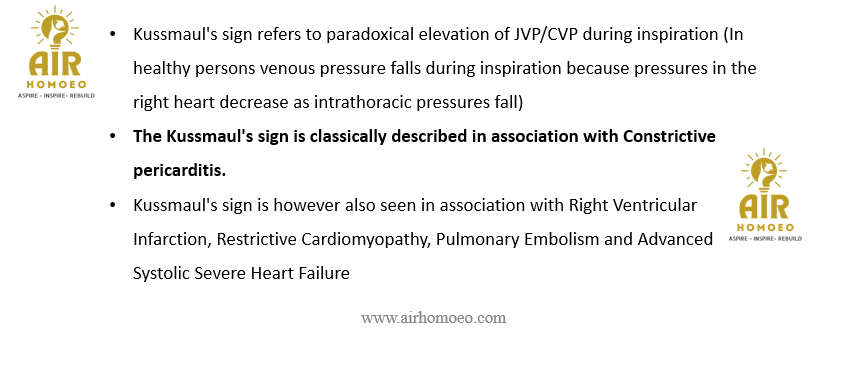
Kussmaul‘s sign is classically described in:
Correct
 Incorrect
Unattempted
-
Question 32 of 50
32. Question
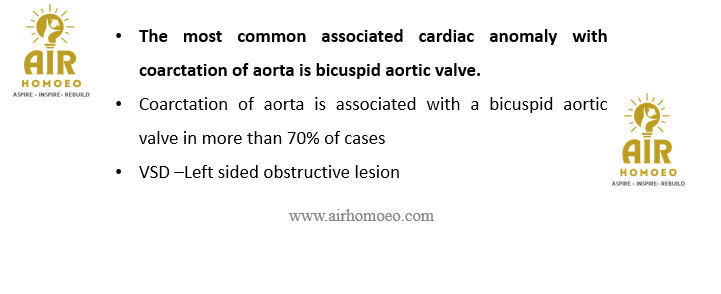
Which condition is most commonly associated with coarctation of aorta?
Correct
 Incorrect
Unattempted
-
Question 33 of 50
33. Question
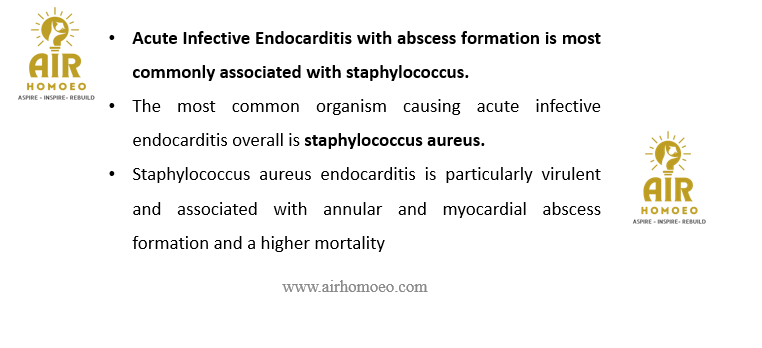
Acute Infective Endocarditis with abscess formation is most commonly associated with
Correct
 Incorrect
Unattempted
-
Question 34 of 50
34. Question
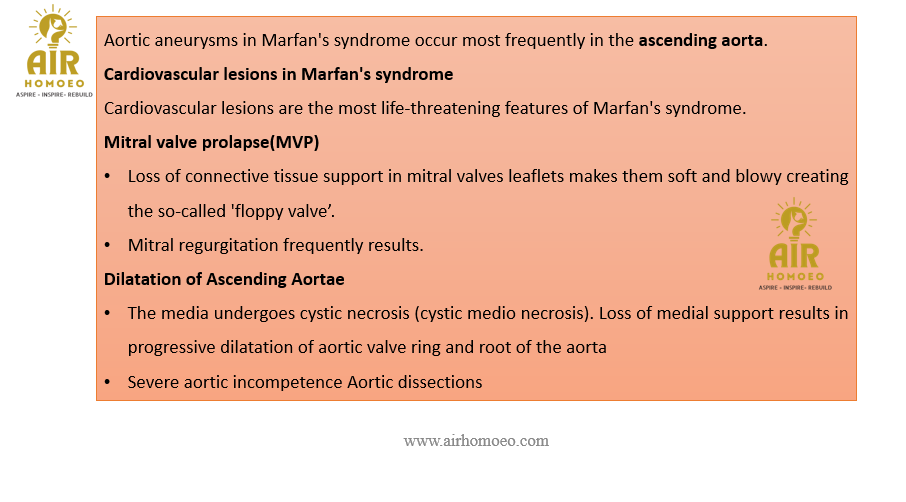
In Marfan‘s syndrome, Aortic aneurysm occurs most commonly in:
Correct
 Incorrect
Unattempted
-
Question 35 of 50
35. Question
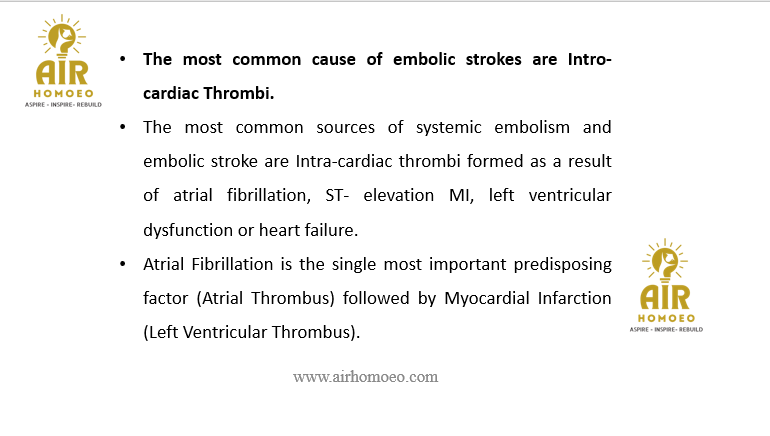
Most common cause of embolic stroke is?
Correct
 Incorrect
Unattempted
-
Question 36 of 50
36. Question
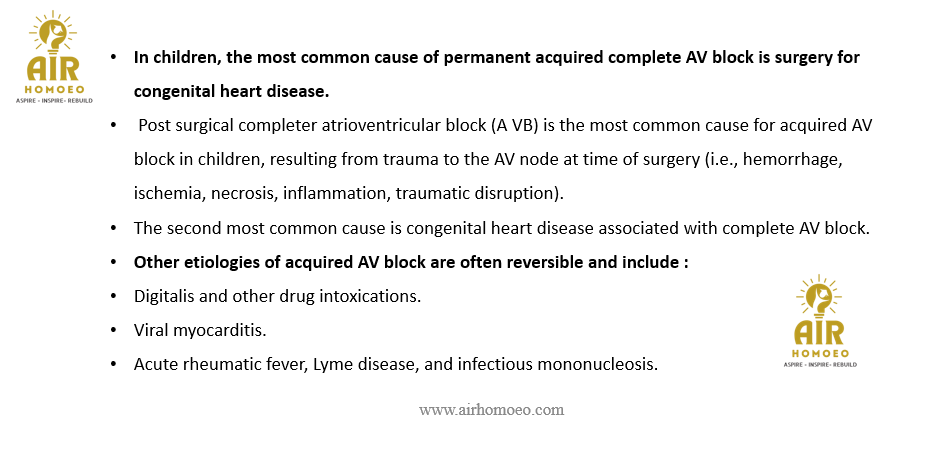
Most common cause of heart block in infants is
Correct
 Incorrect
Unattempted
-
Question 37 of 50
37. Question
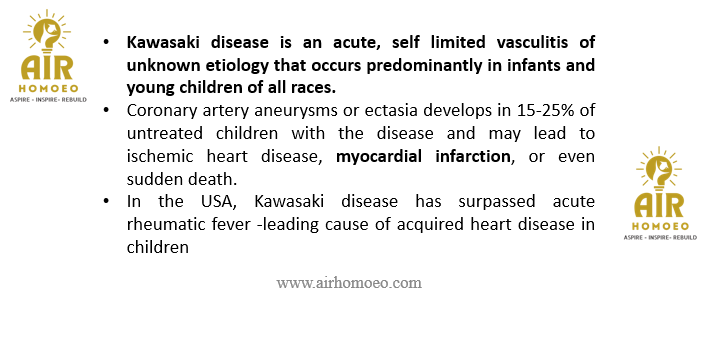
The type of arteritis which may lead to myocardial infarction in children is
Correct
 Incorrect
Unattempted
-
Question 38 of 50
38. Question
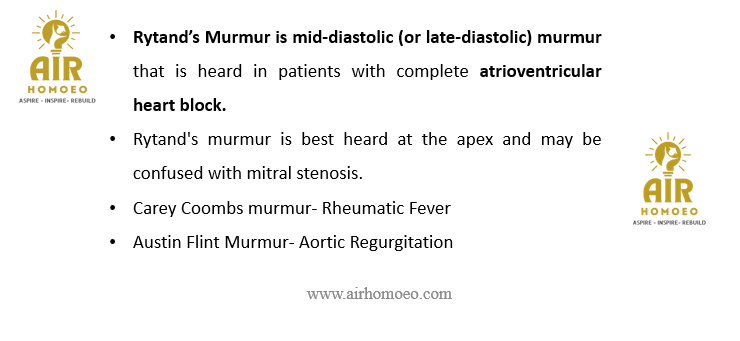
Rytand‘s murmur is seen in
Correct
 Incorrect
Unattempted
-
Question 39 of 50
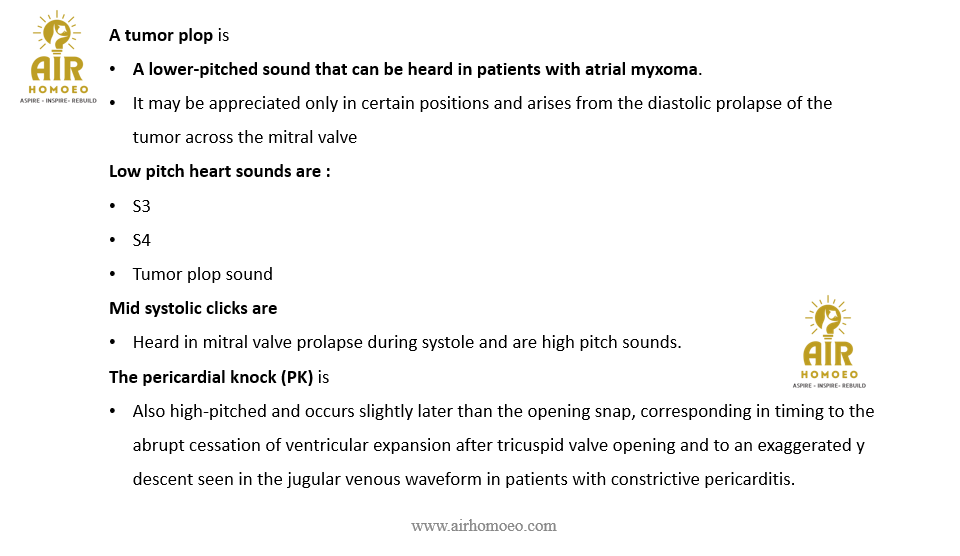
39. Question
Which is not a high pitched heart sound
Correct
 Incorrect
Unattempted
-
Question 40 of 50
40. Question
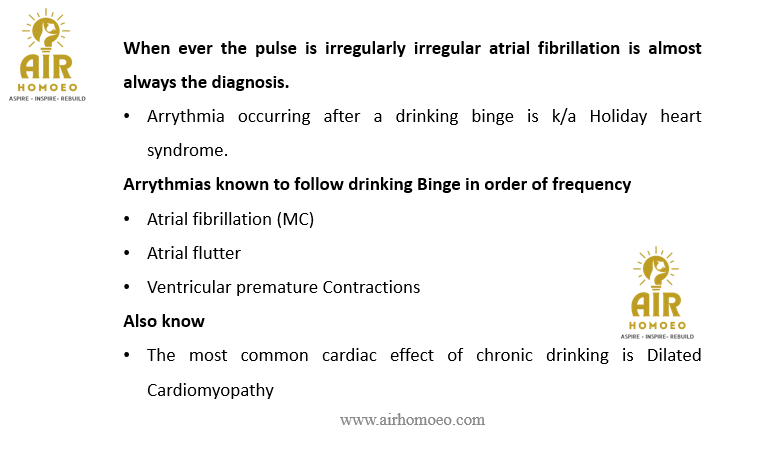
Which of the following arrhythmia is most commonly associated with alcohol binge in the alcoholics
Correct
 Incorrect
Unattempted
-
Question 41 of 50
41. Question
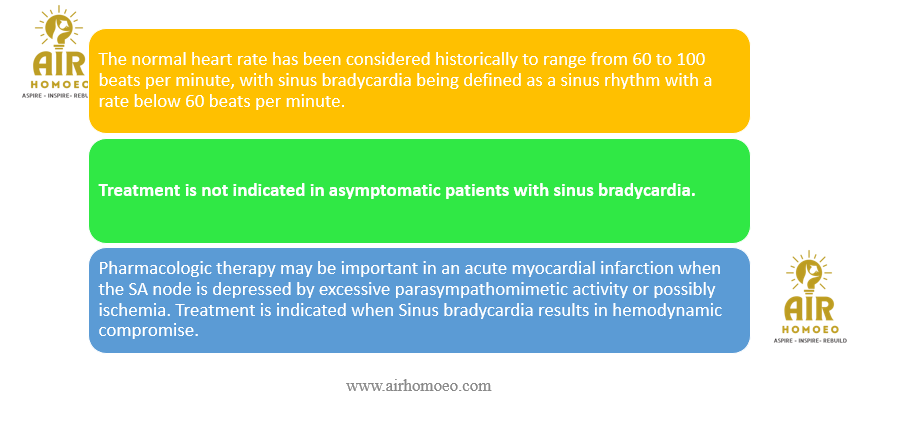
Treatment of asymptomatic bradycardia is
Correct
 Incorrect
Unattempted
-
Question 42 of 50
42. Question
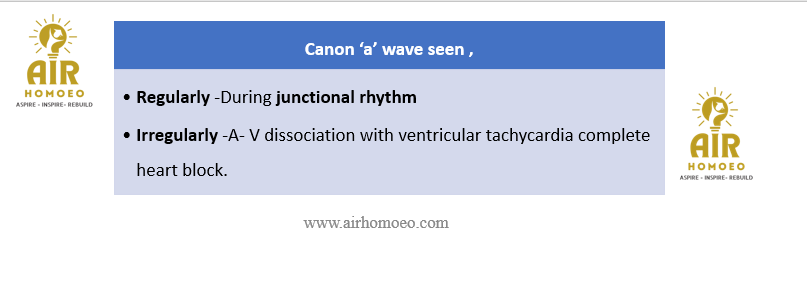
Canon ‘a‘ wave is seen in
Correct
 Incorrect
Unattempted
-
Question 43 of 50
43. Question
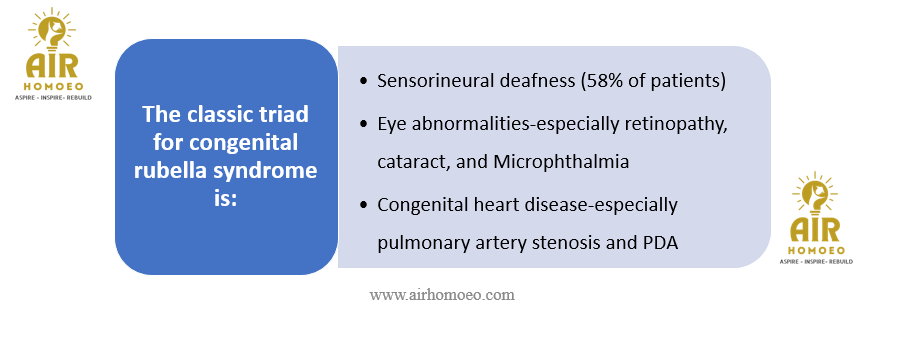
Most characteristic cardiovascular defect seen in Rubella-
Correct
 Incorrect
Unattempted
-
Question 44 of 50
44. Question
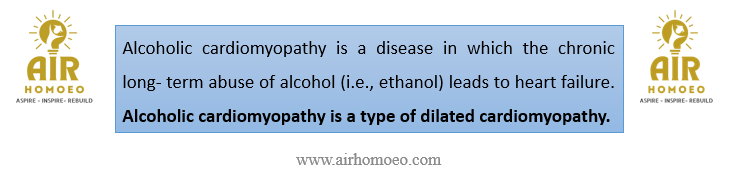
Alcoholic shows which type of cardiomyopathy-
Correct
 Incorrect
Unattempted
-
Question 45 of 50
45. Question
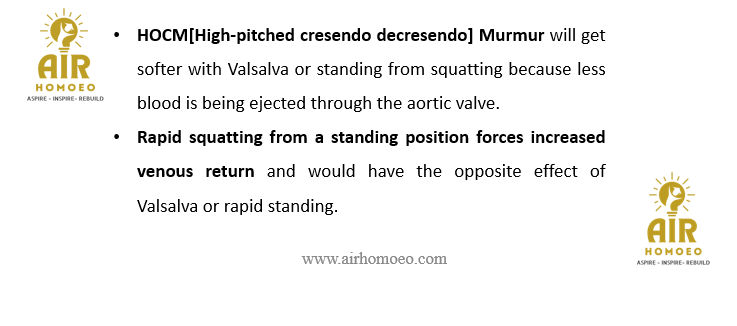
Which murmur increases on standing?
Correct
 Incorrect
Unattempted
-
Question 46 of 50
46. Question
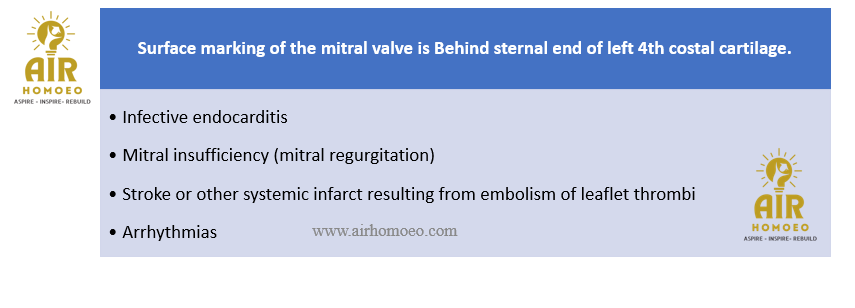
Which of the following complications is not seen in mitral valve prolapse
Correct
 Incorrect
Unattempted
-
Question 47 of 50
47. Question
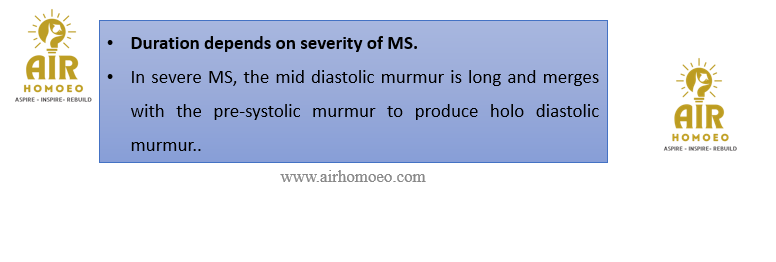
The severity of mitral stenosis can be judged by-
Correct
 Incorrect
Unattempted
-
Question 48 of 50
48. Question
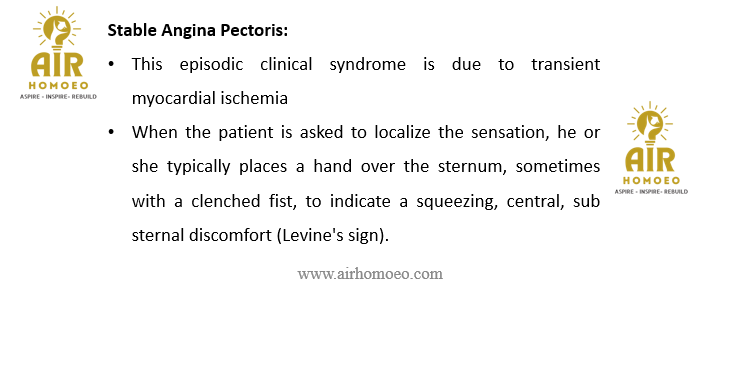
Levine sign is seen in
Correct
 Incorrect
Unattempted
-
Question 49 of 50
49. Question
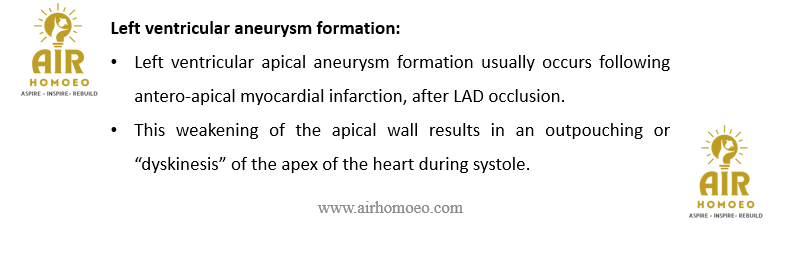
Infarcts involving which portion of the myocardium cause aneurysm as a post- MI complication-
Correct
 Incorrect
Unattempted
-
Question 50 of 50
50. Question
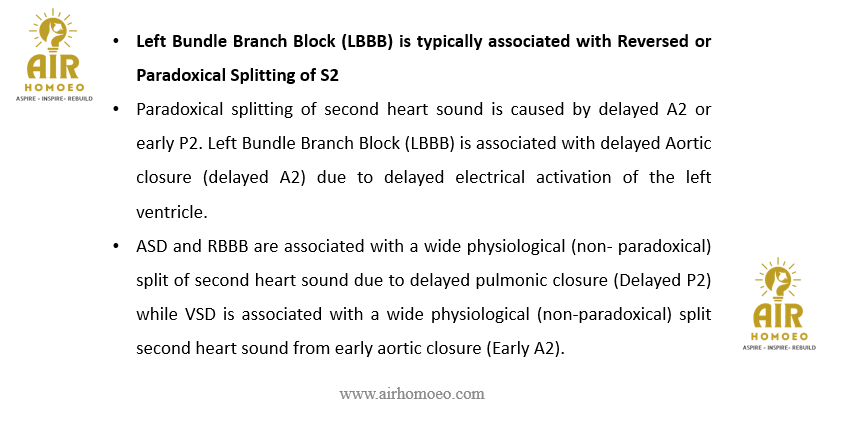
Paradoxical splitting of second heart sound is seen in?
Correct
 Incorrect
Unattempted